Introduction
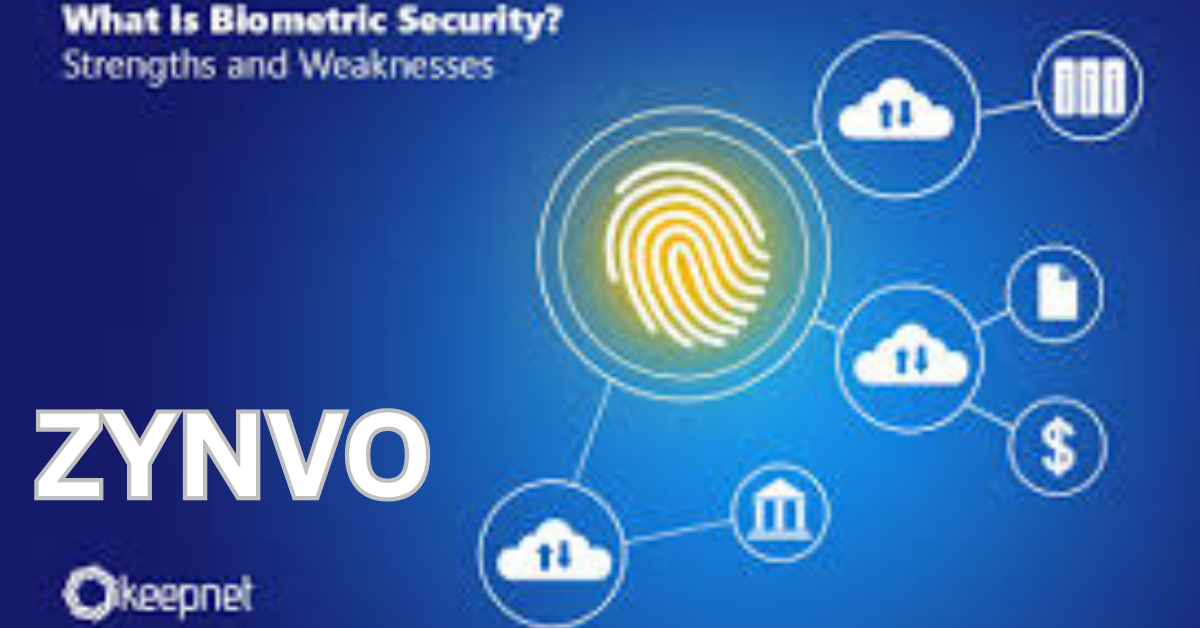
As digital transformation accelerates, traditional password-based systems are proving increasingly inadequate in protecting sensitive information. Biometric authentication—which uses unique physical or behavioral traits such as fingerprints, facial recognition, iris scans, and voice patterns—has emerged as a powerful alternative.
By 2025, biometrics are widely integrated into smartphones, banking systems, healthcare, government services, and workplace security. While this technology offers stronger security and improved user convenience, it also raises critical questions about privacy, data storage, and potential misuse.
Benefits of Biometric Authentication
1. Enhanced Security
-
Biometrics are unique to each individual, making them far harder to replicate than passwords or PINs.
-
Reduces risks of credential theft, brute force attacks, and password reuse.
2. User Convenience
-
No need to remember complex passwords.
-
Faster logins through fingerprint scans, facial recognition, or voice commands.
3. Difficult to Lose or Forget
-
Unlike passwords or ID cards, biometric traits are always with the user.
-
Increases reliability for high-security areas and remote authentication.
4. Multi-Factor Integration
-
Biometrics can be combined with tokens, passwords, or behavioral analytics to form strong multi-factor authentication (MFA).
5. Wider Adoption Across Industries
-
Banking: Mobile payment apps use fingerprint and face ID for secure transactions.
-
Healthcare: Patient verification and secure access to electronic medical records.
-
Airports and Border Control: Automated passport checks with iris and face recognition.
-
Workplaces: Secure building and system access.
Security Concerns of Biometric Authentication
1. Privacy Risks
-
Unlike passwords, biometric data cannot be changed if compromised.
-
A stolen fingerprint or iris scan could have lifetime security implications.
2. Data Breaches
-
Centralized databases storing biometric information are high-value targets.
-
Example: The 2019 breach of the Biostar 2 biometric system exposed fingerprints and facial recognition records of over 1 million people.
3. Spoofing and Deepfakes
-
Hackers use 3D printing, high-resolution images, or deepfake videos to bypass biometric systems.
-
Example: Researchers have demonstrated unlocking phones with fake fingerprints or AI-generated facial reconstructions.
4. False Positives and False Negatives
-
Biometric systems are not flawless:
-
False acceptance (unauthorized user granted access).
-
False rejection (legitimate user denied access).
-
5. Ethical and Legal Concerns
-
Mass surveillance and government overreach in countries using biometrics for citizen tracking.
-
Lack of global regulation raises concerns about misuse and lack of consent.
6. Accessibility Issues
-
Some users may have difficulty with certain biometric methods (e.g., worn fingerprints, speech impairments, facial differences).
Balancing Benefits and Risks
To maximize the benefits of biometric authentication while addressing risks, organizations and governments must adopt strong safeguards:
-
Decentralized storage: Store biometric data locally on devices instead of centralized servers.
-
Encryption and tokenization: Secure biometric templates with advanced cryptographic techniques.
-
Multi-factor authentication (MFA): Use biometrics as one factor among several, not the sole method.
-
Regular updates and audits: Ensure biometric systems evolve against new attack methods.
-
Regulation and transparency: Establish clear guidelines for data use, consent, and user rights.
Future Outlook
Biometric authentication will continue to evolve with AI, blockchain, and behavioral biometrics (like keystroke dynamics and gait recognition). By 2030, experts predict widespread use of continuous authentication systems that verify identity passively throughout device usage.
However, the future also depends heavily on legal and ethical frameworks to ensure biometric data is not abused for surveillance or discrimination.
Conclusion
Biometric authentication represents a major leap forward in security and convenience, offering a strong defense against many forms of cybercrime. Yet, it comes with serious security, privacy, and ethical challenges. Unlike passwords, biometric identifiers cannot be reset, making data protection and responsible implementation critical.
The key lies in balance: combining biometrics with other security measures, ensuring strong encryption, and enforcing privacy regulations. With the right safeguards, biometrics can play a central role in building a safer digital future.