Introduction
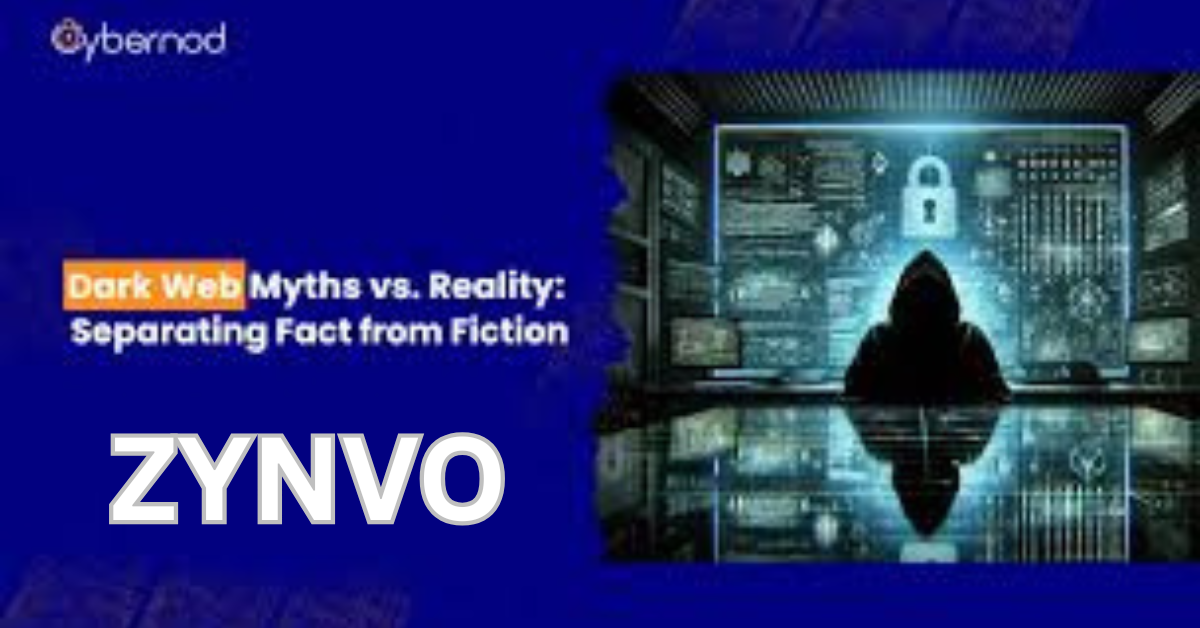
The dark web has become one of the most misunderstood corners of the internet. Often portrayed in movies, news headlines, and popular culture as a hub of illegal activities, it is frequently associated with hackers, drug trafficking, and cybercrime. While these elements exist, the dark web is far more complex than the myths suggest.
To truly understand the dark web, we must separate fact from fiction. In this article, we will explore what the dark web really is, the myths that surround it, and the practical realities of its usage.
What Is the Dark Web?
The internet can be divided into three layers:
-
Surface Web – Publicly accessible websites indexed by search engines like Google. Examples: Wikipedia, news sites, social media platforms.
-
Deep Web – Content not indexed by search engines, such as academic databases, private company records, and medical files. Most of the internet belongs here.
-
Dark Web – A small portion of the deep web accessible only through specialized software such as Tor (The Onion Router) or I2P (Invisible Internet Project).
The dark web is designed to provide anonymity by masking user identities and locations.
Common Myths About the Dark Web
Myth 1: The Dark Web and the Deep Web Are the Same
-
Reality: The deep web includes all non-indexed content, such as your online banking account or private emails. The dark web is just a fraction of it, focused on anonymity and privacy.
Myth 2: Everything on the Dark Web Is Illegal
-
Reality: While illegal markets exist, not all dark web activity is criminal. Journalists, activists, and whistleblowers use it to protect their identities in regions with censorship or surveillance.
Myth 3: Only Hackers Use the Dark Web
-
Reality: The dark web is not exclusive to hackers. Ordinary users, privacy-conscious individuals, and even government agencies use it for secure communication.
Myth 4: Accessing the Dark Web Is Automatically Dangerous
-
Reality: Merely visiting the dark web is not illegal. However, downloading malicious files, sharing personal data, or engaging in unlawful activity can expose users to risks.
Myth 5: Law Enforcement Cannot Track Dark Web Users
-
Reality: While anonymity is stronger, law enforcement agencies have successfully tracked and shut down illegal markets (e.g., Silk Road). Users are not completely invisible.
The Reality of the Dark Web
1. Illegal Marketplaces
-
Drugs, weapons, counterfeit money, stolen credit cards, and hacked accounts are commonly traded.
-
Cryptocurrency (Bitcoin, Monero) is the main payment method.
2. Whistleblowing and Free Speech
-
Platforms like SecureDrop allow whistleblowers to share information with journalists safely.
-
Activists in censored countries use the dark web to bypass restrictions.
3. Cybercrime Forums
-
Hackers exchange malware, ransomware tools, and exploit kits.
-
Fraudsters buy and sell personal data.
4. Legitimate Uses
-
Researchers use the dark web to study cybercrime.
-
Citizens under oppressive regimes rely on it for uncensored communication.
Risks of Using the Dark Web
-
Malware and Scams: Clicking on suspicious links can lead to viruses or phishing.
-
Legal Consequences: Engaging in illegal activities can result in severe penalties.
-
Privacy Breaches: Anonymity tools like Tor are not foolproof.
-
Financial Risks: Cryptocurrency transactions may lead to fraud or theft.
Graph: Myths vs. Reality of the Dark Web
(Here you could include a bar chart comparing common myths against factual realities, e.g., % illegal vs. % legal use cases.)
How to Stay Safe on the Dark Web
-
Use trusted software (Tor browser, VPN).
-
Avoid clicking unknown links or downloading files.
-
Never share personal or financial information.
-
Stick to reputable directories and forums.
-
Understand the legal implications in your country.
Conclusion
The dark web is neither entirely evil nor entirely safe—it is simply a tool. Like any technology, its value or danger depends on how people use it. While it hosts illegal marketplaces and cybercrime forums, it also provides vital platforms for free speech, privacy, and whistleblowing.
By separating myths from reality, we can better understand the dark web as a complex environment—one that demands caution, awareness, and responsibility.