Remote development has become the backbone of modern IT operations. With businesses embracing global talent and hybrid work models, distributed development teams are now the norm rather than the exception. However, managing remote teams presents unique challenges: maintaining communication, ensuring productivity, securing codebases, and fostering collaboration across time zones. This article explores the best tools and practices to help organizations maximize the effectiveness of remote development teams.
The Rise of Remote Development Teams
-
Globalization of talent: Companies can now hire skilled developers worldwide, overcoming local skill shortages.
-
Cost efficiency: Remote teams reduce the need for physical office infrastructure and lower overhead costs.
-
Pandemic acceleration: COVID-19 normalized remote work, making it a standard option in IT organizations.
-
Work-life balance: Developers benefit from flexibility, which can improve retention and productivity.
Key Challenges in Remote Development
-
Communication Gaps: Misunderstandings may occur without face-to-face discussions.
-
Time Zone Differences: Coordinating global teams requires careful planning.
-
Project Tracking: Ensuring progress visibility and accountability can be complex.
-
Security Risks: Remote setups increase vulnerabilities in data and code access.
-
Team Bonding: Lack of in-person interaction can weaken team cohesion.
Best Tools for Remote Development Teams
1. Communication and Collaboration Tools
-
Slack: Real-time messaging, integrations with GitHub, Jira, and CI/CD pipelines.
-
Microsoft Teams / Google Meet / Zoom: Video conferencing for stand-ups and retrospectives.
-
Miro / Figma: Visual collaboration tools for brainstorming and design.
2. Project Management Tools
-
Jira: Agile project tracking with sprint planning and backlog management.
-
Trello: Visual task management using Kanban boards.
-
Asana: Task assignment and progress tracking for distributed workflows.
3. Version Control and Code Collaboration
-
GitHub / GitLab / Bitbucket: Centralized repositories with pull requests and code reviews.
-
Visual Studio Code Live Share: Real-time collaborative coding.
-
JetBrains Space: Integrated development environment with chat, CI/CD, and repositories.
4. Continuous Integration & Deployment (CI/CD)
-
Jenkins: Customizable automation for builds and testing.
-
CircleCI / TravisCI / GitHub Actions: Cloud-native CI/CD pipelines for faster releases.
-
Docker & Kubernetes: Containerization and orchestration to maintain consistency.
5. Security and Access Management
-
VPN Solutions (NordLayer, Perimeter 81): Secure connections for distributed workers.
-
Okta / Auth0: Identity and access management for secure authentication.
-
SonarQube: Automated code security and quality analysis.
Best Practices for Managing Remote Development Teams
1. Establish Clear Communication Protocols
-
Daily stand-ups and weekly retrospectives keep everyone aligned.
-
Use asynchronous updates (Slack, project boards) for different time zones.
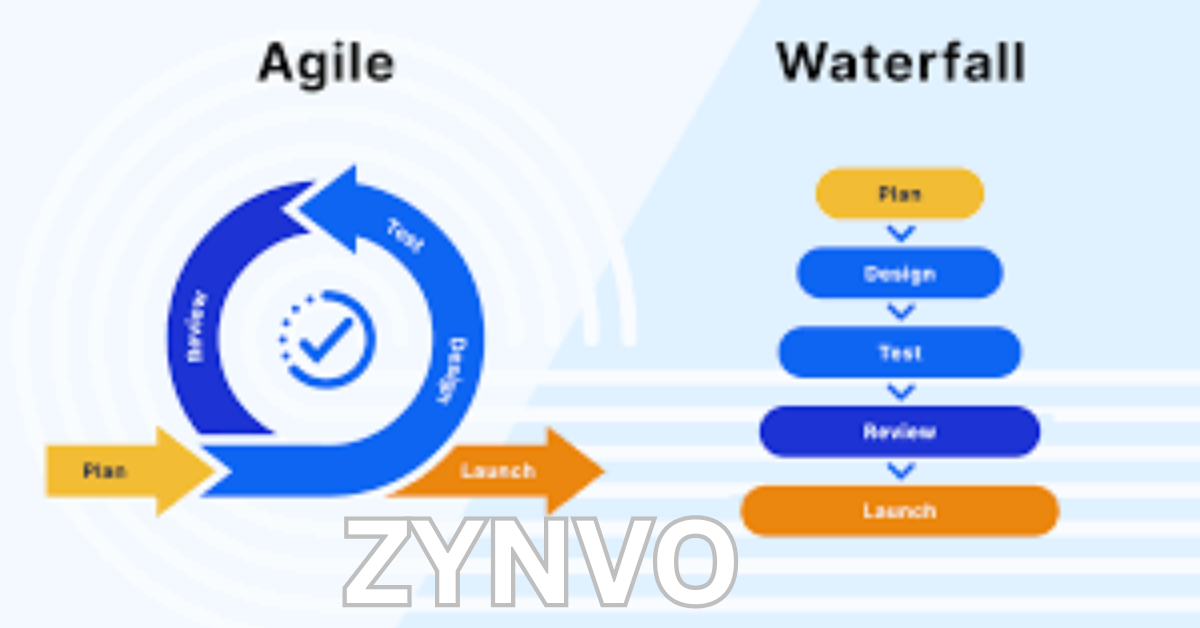
2. Adopt Agile Methodologies
-
Scrum or Kanban frameworks ensure transparency and accountability.
-
Sprint reviews help measure productivity and adjust goals.
3. Focus on Documentation
-
Maintain a centralized knowledge base (Confluence, Notion, or GitHub Wiki).
-
Encourage developers to document code, workflows, and processes clearly.
4. Promote a Secure Development Lifecycle
-
Enforce code reviews and automated security checks.
-
Implement DevSecOps to integrate security into every stage of development.
5. Encourage Team Bonding
-
Virtual coffee breaks, game sessions, and hackathons improve morale.
-
Recognize achievements publicly to foster motivation.
6. Performance Tracking and Transparency
-
Use project management dashboards to monitor workload distribution.
-
Define clear KPIs (e.g., sprint velocity, bug resolution rate).
Graph: Popular Tools for Remote Development Teams
(Illustration of tool adoption trends based on surveys of distributed teams.)
Future of Remote Development
The next few years will see remote development becoming even more seamless, driven by:
-
AI-driven project management (predicting delays, suggesting task assignments).
-
Immersive collaboration using AR/VR (virtual offices, shared coding spaces).
-
Stronger zero-trust security frameworks to protect distributed codebases.
-
Decentralized teams using blockchain for verifiable code ownership and smart contracts.
Conclusion
Remote development is no longer a temporary adaptation; it’s a sustainable model shaping the future of IT. By adopting the right tools and best practices, businesses can overcome the challenges of distributed teams and harness their potential for innovation, productivity, and resilience. The key lies in balancing technology, communication, and security—ensuring that developers can thrive regardless of where they work.