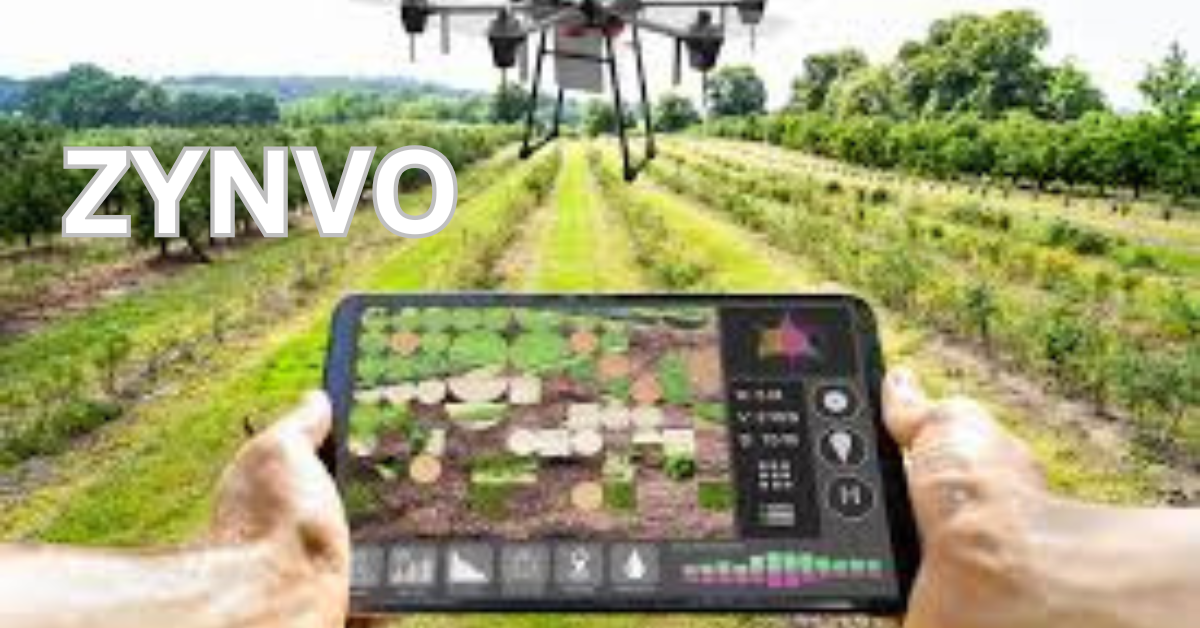
The global population is projected to reach 9.7 billion by 2050, creating unprecedented demand for food. Traditional farming methods are no longer sufficient to meet this growing need sustainably. This is where smart agriculture—the integration of Information Technology (IT), Artificial Intelligence (AI), Internet of Things (IoT), and advanced machinery—plays a transformative role. Smart agriculture leverages technology to increase crop yields, reduce resource wastage, and ensure environmental sustainability, fundamentally reshaping how we grow food.
Understanding Smart Agriculture
Smart agriculture, also known as precision agriculture, combines data-driven technologies and traditional farming practices to optimize production. Unlike conventional farming, which relies on uniform treatment across entire fields, smart agriculture focuses on site-specific management, using real-time data to make precise decisions.
Key Components of Smart Agriculture
-
IoT Sensors
-
Monitor soil moisture, nutrient levels, and temperature.
-
Provide farmers with real-time feedback to optimize irrigation and fertilization.
-
-
Drones and Aerial Imaging
-
Capture high-resolution images of fields.
-
Detect pest infestations, crop diseases, and areas needing attention.
-
-
Artificial Intelligence and Machine Learning
-
Analyze large datasets from sensors and drones.
-
Predict crop yields, pest outbreaks, and weather impacts.
-
-
Robotics and Automation
-
Automated tractors, harvesters, and planting machines reduce labor dependency.
-
Increase efficiency and precision in planting and harvesting.
-
-
Satellite Imagery and Remote Sensing
-
Monitor large-scale agricultural operations from space.
-
Provide insights into soil health, water availability, and crop performance.
-
Benefits of Smart Agriculture
1. Increased Crop Yields
-
Precision farming ensures optimal use of water, fertilizers, and pesticides.
-
AI-driven predictive analytics allow farmers to make data-backed decisions for maximum productivity.
2. Resource Efficiency
-
IoT-enabled irrigation systems reduce water wastage by delivering precise amounts to plants.
-
Optimized use of fertilizers and pesticides minimizes environmental pollution.
3. Sustainability
-
Smart agriculture reduces soil degradation and greenhouse gas emissions.
-
Encourages sustainable farming practices, such as crop rotation and organic inputs.
4. Reduced Labor Costs
-
Automation reduces dependency on manual labor.
-
Drones and robots perform repetitive and labor-intensive tasks efficiently.
5. Early Detection of Problems
-
Real-time monitoring of soil and crops helps identify diseases and pest infestations early.
-
Preventive measures can be taken before issues affect large areas.
Graph: Adoption of Smart Agriculture Technologies (2015–2025)
Year     Adoption Rate (% of Farms)

------------------------------------

2015     ██ 15%

2017     ████ 25%

2019     ██████ 40%

2021     ████████ 55%

2023     ██████████ 70%

2025     ███████████ 85%
(Shows the steady growth in smart agriculture adoption worldwide.)
Key Technologies Driving Smart Agriculture
1. Internet of Things (IoT)
-
Sensors collect environmental and crop-specific data.
-
Smart irrigation systems adjust water flow automatically based on real-time soil moisture readings.
2. Artificial Intelligence (AI)
-
AI models analyze historical and real-time data for forecasting crop yields.
-
Machine learning algorithms detect patterns in pest infestations and weather patterns.
3. Robotics and Automation
-
Autonomous tractors, drones, and harvesters improve operational efficiency.
-
Robots perform tasks such as planting, weeding, and harvesting with high precision.
4. Blockchain for Supply Chain Management
-
Tracks produce from farm to fork, ensuring transparency and reducing food fraud.
-
Enhances trust among consumers and stakeholders in the agricultural ecosystem.
5. Data Analytics and Cloud Computing
-
Farmers and agribusinesses can store, process, and analyze large datasets in real time.
-
Cloud platforms enable collaborative decision-making and remote monitoring of farms.
Applications of Smart Agriculture
1. Precision Farming
-
Farmers can monitor individual plots, adjusting resources based on crop needs.
-
Reduces costs while maximizing output.
2. Smart Greenhouses
-
IoT-enabled greenhouses monitor temperature, humidity, and CO2 levels.
-
AI systems automate lighting, watering, and climate control for optimal growth.
3. Livestock Monitoring
-
Wearable sensors track health, location, and activity of animals.
-
Enables early detection of diseases and improves overall farm management.
4. Predictive Agriculture
-
AI models predict weather events, pest attacks, and crop yield variations.
-
Helps farmers plan planting and harvesting schedules effectively.
Challenges in Implementing Smart Agriculture
-
High Initial Costs
-
Sensors, drones, AI systems, and automated machinery require significant investment.
-
Technical Expertise
-
Farmers must learn how to use and interpret data from advanced technologies.
-
Data Privacy and Security
-
Agricultural data can be sensitive, and its misuse may lead to competitive disadvantages.
-
Connectivity Issues
-
Remote farms may lack reliable internet access, limiting IoT and cloud-based solutions.
-
Maintenance and Sustainability
-
Technology requires regular maintenance and energy resources, which can be a challenge in rural areas.
Future Trends in Smart Agriculture
1. AI-Driven Autonomous Farms
-
Fully automated farms with minimal human intervention will become a reality.
-
AI will manage planting, irrigation, and harvesting autonomously.
2. Integration with Climate-Smart Agriculture
-
Smart agriculture technologies will help mitigate climate change impacts by optimizing water and fertilizer use.
3. Advanced Drone Applications
-
Drones will not only monitor crops but also apply fertilizers, pesticides, and even plant seeds.
4. Precision Livestock Farming
-
Wearable technology for livestock will provide real-time health analytics and behavior tracking.
5. Global Food Supply Chain Optimization
-
IoT and blockchain will ensure transparency and reduce food waste from farm to consumer.
Case Studies of Smart Agriculture
1. John Deere’s Precision Farming Solutions
-
John Deere uses AI, IoT, and automation to provide farmers with smart tractors and precision farming tools.
-
Increases efficiency and reduces resource wastage.
2. IBM’s Watson Decision Platform for Agriculture
-
Uses AI and big data to provide actionable insights for farmers.
-
Helps in predictive analytics, risk management, and crop planning.
3. Aerobotics Drone Monitoring
-
Uses drones and AI to monitor crops for pests, diseases, and growth patterns.
-
Provides early intervention recommendations to prevent crop losses.
Conclusion
Smart agriculture is not just a technological innovation—it is a global necessity. With increasing populations and the growing demand for food, traditional farming methods are no longer sufficient. By integrating IT, AI, IoT, drones, and data analytics, smart agriculture enhances productivity, reduces resource consumption, and supports sustainable farming practices.
While challenges such as high initial costs, technical literacy, and connectivity remain, the benefits of smart agriculture are undeniable. By adopting these technologies, farmers can increase yields, reduce environmental impact, and improve food security worldwide.
The future of farming is digital, data-driven, and highly efficient. Smart agriculture is not just feeding farms—it is feeding the world.