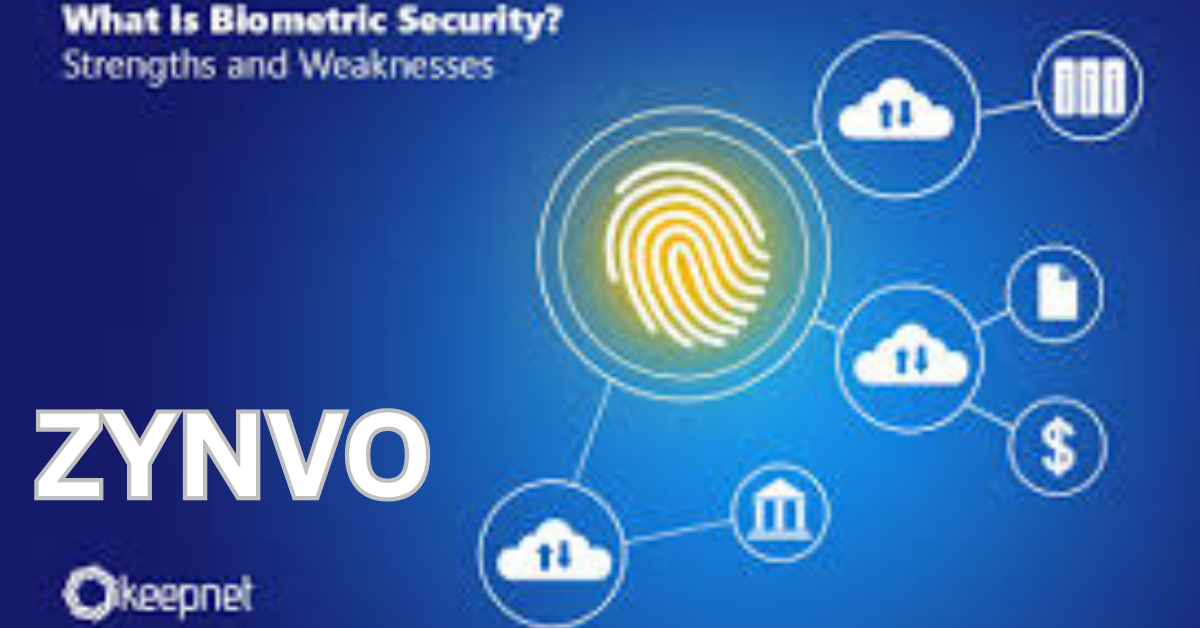
Introduction
For decades, passwords have been the cornerstone of digital authentication. From accessing email accounts to securing online banking, nearly every digital interaction has required users to create, remember, and manage them. Yet, as technology advances, passwords are proving increasingly insecure and inconvenient. Data breaches, phishing, and password reuse have exposed billions of accounts worldwide.
Enter biometric authentication—fingerprints, facial recognition, iris scans, and even voice patterns. With the rise of smartphones and IoT devices, biometrics are now commonplace, raising the big question: Will biometrics replace passwords entirely in the future?
The Problems with Passwords
1. Weak and Reused Passwords
Most users create simple, easy-to-remember passwords and reuse them across multiple accounts. This makes them highly vulnerable to hackers.
2. Phishing and Social Engineering
Even strong passwords can be stolen through phishing attacks, where users are tricked into revealing their login details.
3. Password Fatigue
Managing dozens of unique, complex passwords creates user frustration, often leading to bad habits like writing them down or using predictable patterns.
4. Data Breaches
Centralized password databases are prime targets for cybercriminals. Once breached, millions of accounts may be compromised at once.
Rise of Biometric Authentication
Biometric authentication has become mainstream due to its convenience and security advantages. Smartphones pioneered the trend with fingerprint sensors and facial recognition systems. Today, biometrics are integrated into:
-
Banking apps for secure mobile payments.
-
Healthcare systems to protect patient records.
-
Workplace access controls in corporate offices.
-
Border security through iris and face scans.
Biometrics promise a future where you are your password.
Benefits of Biometrics Over Passwords
-
Uniqueness – Biometrics are nearly impossible to replicate.
-
Convenience – No need to remember complex strings or reset forgotten passwords.
-
Speed – Quick authentication with a scan or glance.
-
Difficult to Steal – Unlike passwords, biometrics cannot be guessed or shared.
-
Integration with MFA – Can be combined with tokens or PINs for stronger security.
Challenges of Biometrics
While biometrics offer strong advantages, they are not a flawless replacement.
1. Privacy Risks
If a fingerprint or iris scan is stolen, it cannot be changed like a password. A breach has lifetime consequences.
2. Spoofing and Deepfakes
Hackers are developing advanced methods to bypass biometrics using 3D-printed fingerprints, facial masks, or AI-generated voices.
3. Accessibility Issues
Not all users can reliably use biometrics (e.g., worn fingerprints, disabilities, or identical twins).
4. Legal and Ethical Concerns
Widespread use of biometrics may enable mass surveillance by governments or corporations.
5. Technology Limitations
Biometric systems sometimes generate false positives (granting access to the wrong person) or false negatives (rejecting a valid user).
Will Biometrics Replace Passwords?
The future is not as simple as passwords disappearing overnight. Instead, we’re likely to see:
-
Passwordless authentication using biometrics combined with cryptographic keys.
-
Hybrid models where biometrics replace passwords in some cases but still require a fallback (PIN, token, or recovery method).
-
Decentralized identity systems, where biometric data stays on the user’s device and is never stored in central databases.
Major tech players like Microsoft, Apple, and Google are already investing in passwordless ecosystems, promoting standards such as FIDO2 and WebAuthn, which rely on device-based biometrics and security keys.
Graph: Passwords vs. Biometrics (Pros and Cons)
(Here, you could include a bar graph showing security, convenience, and risk levels of passwords vs. biometrics.)
Future Outlook
By 2030, biometrics are expected to dominate authentication systems, especially for mobile and enterprise applications. However, passwords may not disappear completely. Instead, they will likely evolve into a backup method or secondary layer in multi-factor authentication.
We are moving toward a world where biometrics, behavioral analysis, and cryptographic keys combine to create seamless and secure digital identities. The challenge will be balancing convenience with privacy to avoid misuse.
Conclusion
The age of the password is nearing its end, but not entirely. Biometrics offer a faster, safer, and more user-friendly alternative, yet they carry unique risks that prevent them from being a one-size-fits-all solution.
The most likely scenario is a passwordless future powered by biometrics, supported by multi-factor systems and privacy-first frameworks. Instead of asking whether biometrics will replace passwords, the real question is: How can we combine both to create a secure digital future?