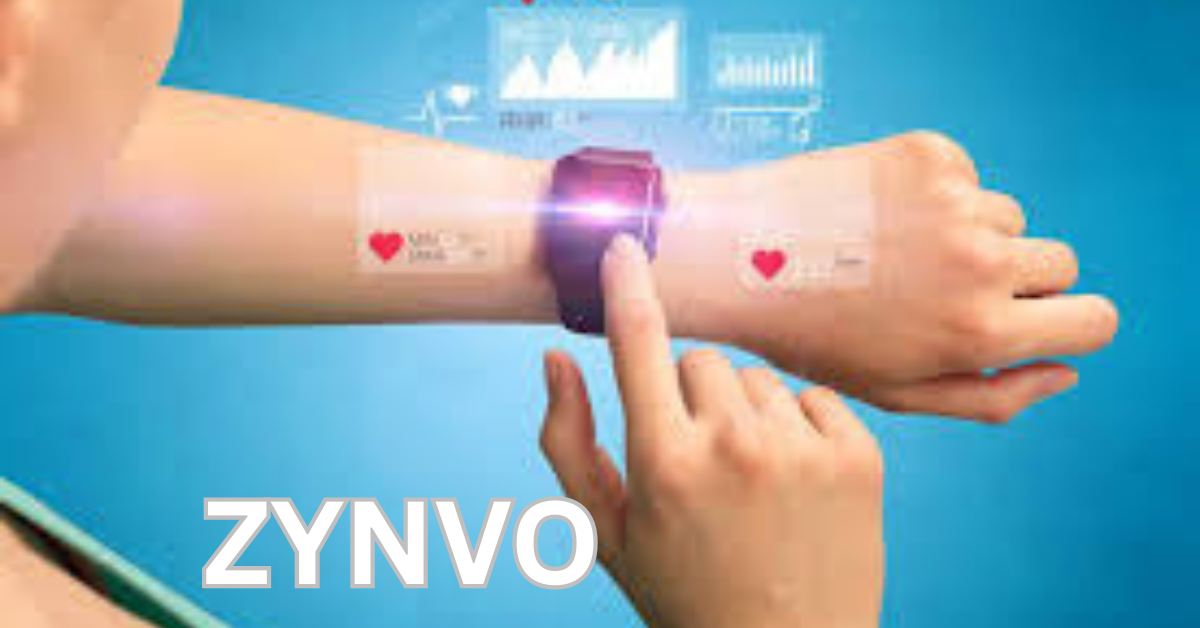
Wearable technology has rapidly evolved from being a trendy gadget for fitness enthusiasts to becoming a critical tool in healthcare monitoring. Smartwatches, fitness trackers, and medical-grade wearables are revolutionizing the way individuals manage their health and how doctors track patient outcomes. As advancements in sensors, connectivity, and artificial intelligence (AI) accelerate, wearables are poised to play a transformative role in the future of personal wellness and professional healthcare.
The Evolution of Wearable Technology
Early Fitness Devices
-
In the early 2000s, wearables were primarily pedometers and basic fitness trackers.
-
Devices like Fitbit popularized step counting and calorie tracking.
Smartwatch Era
-
With the launch of devices like Apple Watch and Samsung Galaxy Watch, wearables combined fitness tracking with smartphone features.
-
Added functionalities such as notifications, GPS, and music control expanded consumer interest.
Medical-Grade Wearables
-
Today, wearables can monitor heart rhythms, detect sleep apnea, track blood oxygen levels, and even flag early signs of chronic disease.
-
FDA-approved devices (like ECG-enabled smartwatches) are bridging the gap between consumer gadgets and professional healthcare tools.
Key Applications of Wearable Technology
1. Fitness and Lifestyle Tracking
-
Steps, calories, sleep quality, and workout intensity tracking.
-
Motivates healthier lifestyle choices.
2. Chronic Disease Management
-
Continuous glucose monitors (CGMs) for diabetes patients.
-
Wearable ECG devices for cardiac patients.
-
Blood pressure and respiratory monitors for high-risk groups.
3. Remote Patient Monitoring (RPM)
-
Doctors can access real-time patient data through connected wearables.
-
Reduces hospital visits and enables telemedicine growth.
4. Mental Health and Stress Management
-
Devices that track heart rate variability (HRV) and sleep to detect stress levels.
-
AI-powered apps that suggest mindfulness practices.
5. Workplace and Sports Safety
-
Wearables that monitor fatigue in athletes, soldiers, and workers.
-
Prevent accidents by tracking alertness and exertion levels.
Graph: Growth of Wearable Device Users Worldwide (2016–2025)
(Data based on global market research showing steady growth in adoption.)
Benefits of Wearable Technology
-
For Individuals:
-
Encourages healthy habits.
-
Early detection of anomalies (e.g., irregular heartbeat).
-
Personalized health insights.
-
-
For Healthcare Providers:
-
Access to continuous, real-time patient data.
-
Better chronic disease management.
-
Reduced hospital readmissions and costs.
-
-
For Businesses & Insurers:
-
Employee wellness programs using fitness trackers.
-
Insurance discounts for individuals maintaining health metrics.
-
Challenges and Concerns
-
Data Privacy and Security
-
Sensitive health data could be misused if not protected.
-
HIPAA and GDPR compliance is crucial.
-
-
Accuracy and Reliability
-
Consumer-grade devices may lack medical precision.
-
Calibration and standardization remain concerns.
-
-
Integration with Healthcare Systems
-
Interoperability between wearables and hospital systems is limited.
-
-
User Adoption
-
Some users abandon devices after novelty fades.
-
Comfort, design, and affordability affect adoption.
-
Future Trends in Wearable Technology
-
AI-Powered Insights
-
Devices will not just collect data but analyze and predict health risks.
-
-
Medical-Grade Expansion
-
More wearables will gain regulatory approval for use in hospitals.
-
-
Smart Fabrics & Implantables
-
Clothing embedded with sensors for seamless health tracking.
-
Implantable wearables for long-term monitoring.
-
-
Integration with the Metaverse & AR/VR
-
Wearables may connect with virtual health platforms for immersive therapy.
-
-
Preventive Healthcare
-
Instead of reacting to illness, wearables will predict and prevent health crises.
-
Conclusion
Wearable technology has traveled a long road from simple step counters to life-saving medical monitors. Its integration into both fitness and healthcare underscores a shift toward proactive, data-driven health management. While challenges like data privacy and accuracy must be addressed, the potential benefits are undeniable.
In the coming years, wearables will not only track health but also transform healthcare delivery, making medicine more personalized, preventive, and accessible. The future of health truly lies on our wrists—and beyond.